Passwords vs Passkeys: Which Is More Secure in 2026?
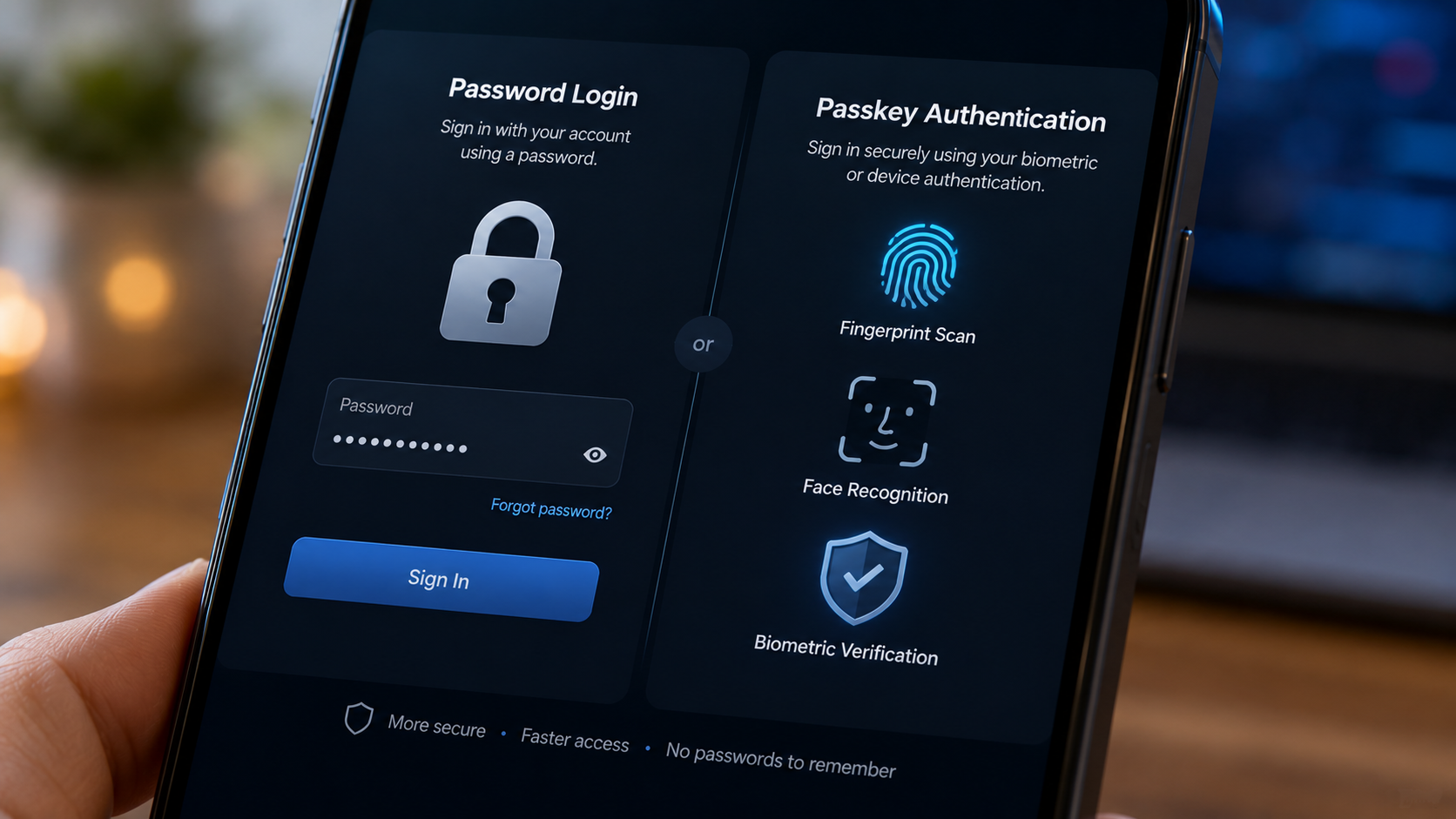
For decades, passwords have been the primary method of securing online accounts. From email and banking to social media and cloud services, users have relied on passwords to protect sensitive information. However, cyber threats have evolved significantly, making traditional passwords increasingly vulnerable to attacks.
As a result, technology companies are introducing passkeys as a modern alternative. The debate around passwords vs passkeys has become one of the most important discussions in cybersecurity. While passwords remain widely used, passkeys promise stronger security, easier logins, and better protection against cybercriminals.
Understanding the differences between passwords and passkeys can help users make informed decisions about securing their online accounts in 2026.
What Are Passwords?
A password is a secret combination of characters used to verify a user’s identity.
Typically, passwords contain:
- Letters
- Numbers
- Symbols
- Special characters
When logging into an account, users enter their password, and the system compares it with stored credentials.
For many years, passwords have served as the foundation of online security. However, they also create several challenges for users and organizations.
Problems with Traditional Passwords
Although passwords remain common, they have significant weaknesses.
Some of the most common issues include:
Weak Passwords
Many users create simple passwords that are easy to remember but also easy to guess.
Examples include:
- 123456
- password123
- qwerty
- birthdays
Consequently, attackers can crack these passwords within seconds.
Password Reuse
Many people use the same password across multiple websites.
As a result, a breach on one platform can expose accounts on other services.
Phishing Attacks
Cybercriminals often trick users into revealing passwords through fake websites and emails.
Therefore, even strong passwords can become compromised if users are deceived.
Password Fatigue
Modern internet users often manage dozens of accounts.
Remembering unique passwords for every service can become overwhelming.
Consequently, users frequently choose convenience over security.
What Are Passkeys?
Passkeys are a newer authentication method designed to replace passwords entirely.
Instead of relying on a memorized password, passkeys use cryptographic technology to verify identity.
Passkeys often work with:
- Fingerprint authentication
- Face recognition
- Device PINs
- Security hardware
When users log in, the device securely confirms their identity without transmitting a password.
As a result, passkeys eliminate many of the risks associated with traditional passwords.
How Passkeys Work
Passkeys use public-key cryptography.
When a passkey is created:
- A private key is stored securely on the user’s device.
- A public key is stored by the website or service.
During login:
- The device verifies the user’s identity.
- The private key confirms authentication.
- No password is transmitted over the internet.
Consequently, attackers cannot steal passwords because no password exists.
Passwords vs Passkeys: Security Comparison
The discussion surrounding passwords vs passkeys largely centers on security.
Let’s compare the two approaches.
Protection Against Phishing
Passwords remain highly vulnerable to phishing attacks.
Attackers can trick users into entering credentials on fake websites.
Passkeys offer stronger protection because authentication only works with legitimate websites.
Winner: Passkeys
Protection Against Data Breaches
When databases containing passwords are breached, attackers may gain access to user credentials.
Although encryption helps, stolen password databases remain valuable targets.
Passkeys store only public keys on servers.
Therefore, a breach does not expose authentication secrets.
Winner: Passkeys
Ease of Use
Passwords require users to remember and manage credentials.
Passkeys often allow users to log in using biometrics or device authentication.
Consequently, passkeys offer a more convenient experience.
Winner: Passkeys
Compatibility
Passwords work on virtually every online service.
Passkeys are growing rapidly but have not yet achieved universal adoption.
Therefore, passwords currently remain more widely supported.
Winner: Passwords
Recovery Options
Password recovery systems are familiar and widely available.
Passkey recovery methods continue to improve but may vary between platforms.
As a result, some users still find password recovery easier.
Winner: Passwords
Why Major Technology Companies Support Passkeys
Leading technology companies have embraced passkey technology.
Passkeys are supported across:
- Smartphones
- Laptops
- Tablets
- Web browsers
The goal is to reduce account compromise while improving user experience.
Furthermore, passkeys help organizations reduce security incidents caused by weak or stolen passwords.
Consequently, adoption continues to grow worldwide.
Benefits of Passkeys
The advantages of passkeys extend beyond security.
Better Protection
Passkeys resist phishing, credential theft, and many common attack methods.
Faster Logins
Users can authenticate quickly using biometrics.
Reduced Password Management
There is no need to remember dozens of complex passwords.
Improved User Experience
Authentication becomes simpler and more secure simultaneously.
Therefore, passkeys solve several long-standing problems associated with password-based authentication.
Are Passwords Becoming Obsolete?
Passwords are unlikely to disappear overnight.
Millions of websites still depend on traditional authentication systems.
However, the shift toward passkeys is accelerating.
Many security experts believe that passwordless authentication represents the future of online security.
Consequently, organizations are gradually implementing passkey support alongside existing password systems.
Challenges Facing Passkeys
Despite their advantages, passkeys face some obstacles.
Limited Awareness
Many users are unfamiliar with passkey technology.
Platform Differences
Implementation may vary between devices and services.
Adoption Time
Not all websites currently support passkeys.
Nevertheless, these challenges are expected to decrease as adoption increases.
Which Option Should You Choose?
The answer depends on the services you use.
If passkeys are available, they generally provide stronger security and greater convenience.
However, passwords remain necessary for many websites that have not yet adopted passwordless authentication.
For maximum protection:
- Use passkeys whenever possible.
- Enable multi-factor authentication.
- Use strong unique passwords when passkeys are unavailable.
- Monitor account security regularly.
This balanced approach provides the highest level of protection.
The Future of Authentication
The future of authentication is likely to be passwordless.
As cyber threats become more sophisticated, organizations need stronger security solutions.
Passkeys offer:
- Improved protection
- Better usability
- Reduced phishing risks
- Stronger account security
Furthermore, continued support from major technology companies will accelerate adoption in the coming years.
Frequently Asked Questions
Are passkeys more secure than passwords?
Yes. Passkeys generally provide stronger protection against phishing, credential theft, and data breaches.
Can passkeys completely replace passwords?
Eventually, passkeys may replace passwords for many services, but widespread adoption will take time.
Do passkeys work on all devices?
Most modern smartphones, tablets, computers, and major browsers now support passkeys.
What happens if I lose my device?
Most passkey systems provide secure recovery and synchronization options through trusted ecosystems.
Should I still use strong passwords?
Yes. Until passkeys become universal, strong unique passwords remain essential for account security.
Learn More About Passkeys from the FIDO Alliance